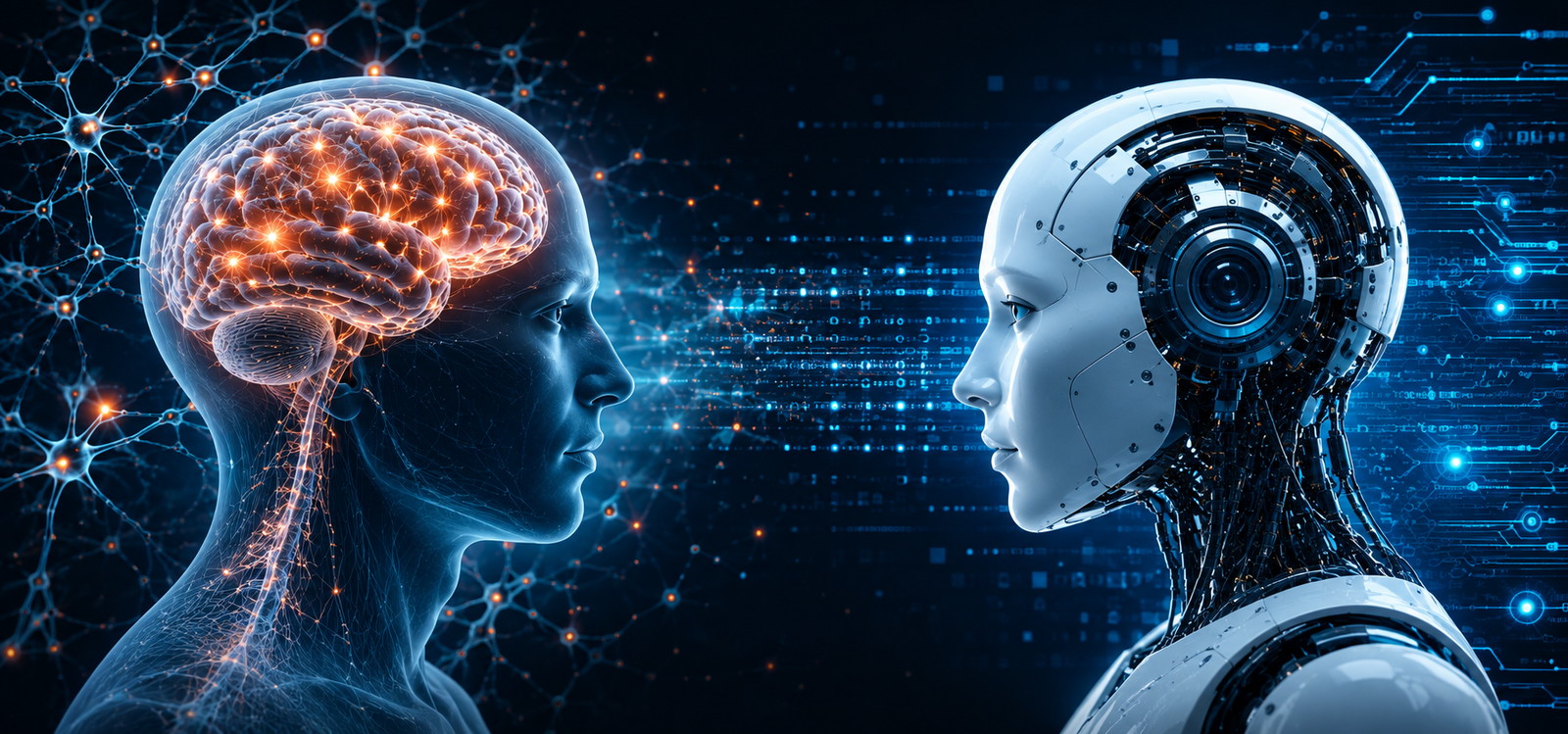
Not long ago, the idea of a robot assisting a surgeon during a brain or spine procedure seemed like science fiction. Today, it is becoming a reality in hospitals around the world. Robotics is not replacing doctors; it is empowering them with greater precision, improving patient outcomes, and transforming the future of neurological care.
Neurology deals with one of the most complex systems in the human body, the brain, spinal cord, and nervous system. Treating neurological conditions requires exceptional accuracy, and this is where robotic technology is making a remarkable difference.
Precision That Improves Patient Care
Modern robotic systems assist surgeons in planning and performing delicate neurological and spinal procedures with enhanced precision and better visualisation. This can help reduce tissue damage, minimise blood loss, lower the risk of complications, and support faster recovery for many patients.
The technology is always guided by the expertise and judgement of skilled surgeons, making it an advanced tool that enhances human capability rather than replacing it.
Transforming Recovery Beyond Surgery
The impact of robotics extends far beyond the operating room. Patients recovering from strokes, spinal cord injuries, Parkinson's disease, and other neurological conditions are benefiting from robotic-assisted rehabilitation.
These intelligent systems support repetitive, guided movements that help improve strength, mobility, and coordination while allowing therapists to personalise rehabilitation based on each patient's progress.
Another exciting advancement is the development of brain-computer interfaces, where brain signals can control advanced prosthetic limbs and assistive devices, offering new hope to people living with paralysis or limb loss.
AI and Robotics: A Powerful Partnership
Artificial Intelligence is further enhancing neurological care by helping doctors analyse medical images, detect subtle abnormalities, and support treatment planning. Combined with robotics, AI is making healthcare more precise, efficient, and personalised while ensuring that clinical expertise remains at the centre of every decision.
The Future Has Already Begun
Across the world, hospitals are embracing robotic-assisted surgeries, AI-powered diagnostics, wearable robotic exoskeletons, and smart rehabilitation technologies. These innovations are making neurological care more accurate, less invasive, and increasingly focused on improving patients' quality of life.
While technology continues to evolve, one thing remains constant: compassionate healthcare will always be driven by people. Robotics simply provides doctors with better tools to deliver safer procedures, better outcomes, and renewed hope for patients and their families.
The future of neurology is not about machines replacing human expertise. It is about technology and medicine working together to help people live healthier, more independent lives.